Fossils from Wattendorf
More than 20 years ago, the geoscientific preparator of our museum, Thomas Bechmann, discovered a fossil site unlike anything previously known from Upper Franconia: thin limestone slabs — so-called lithographic limestones (Plattenkalk) — with an unusually rich abundance of fossils. Today, Wattendorf is rightly regarded as one of the most interesting fossil sites in Germany.
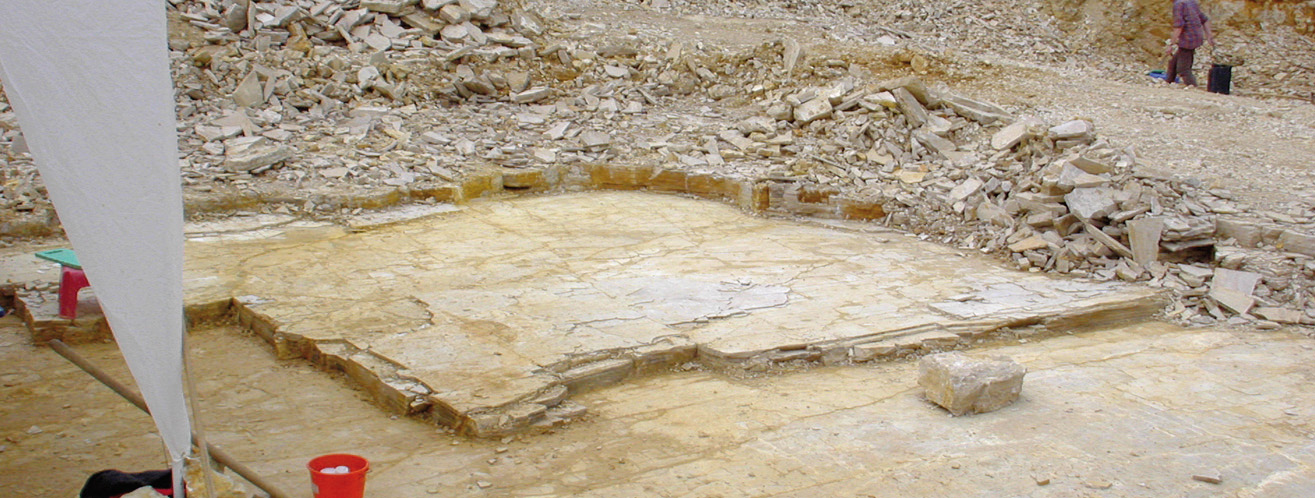
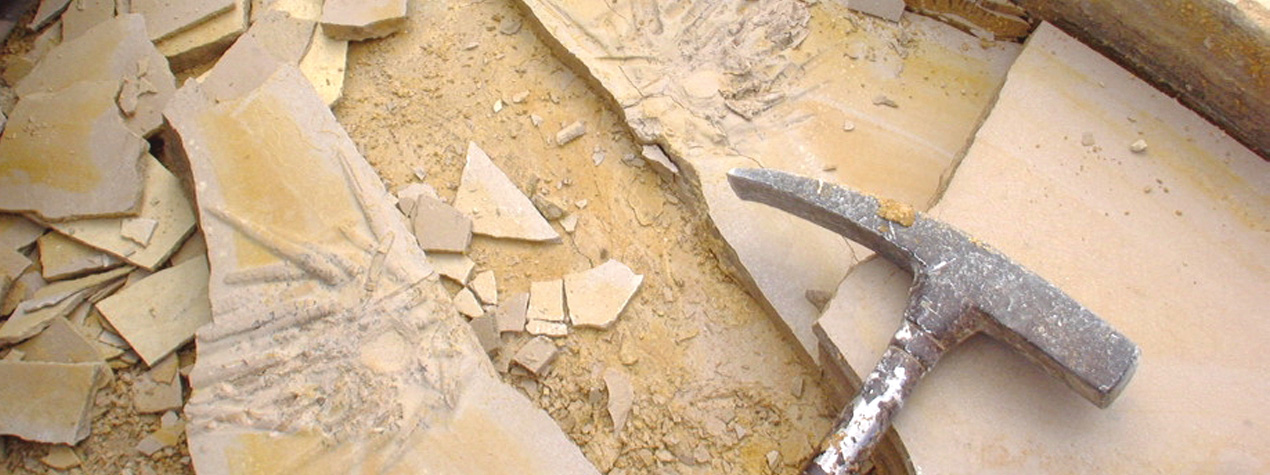
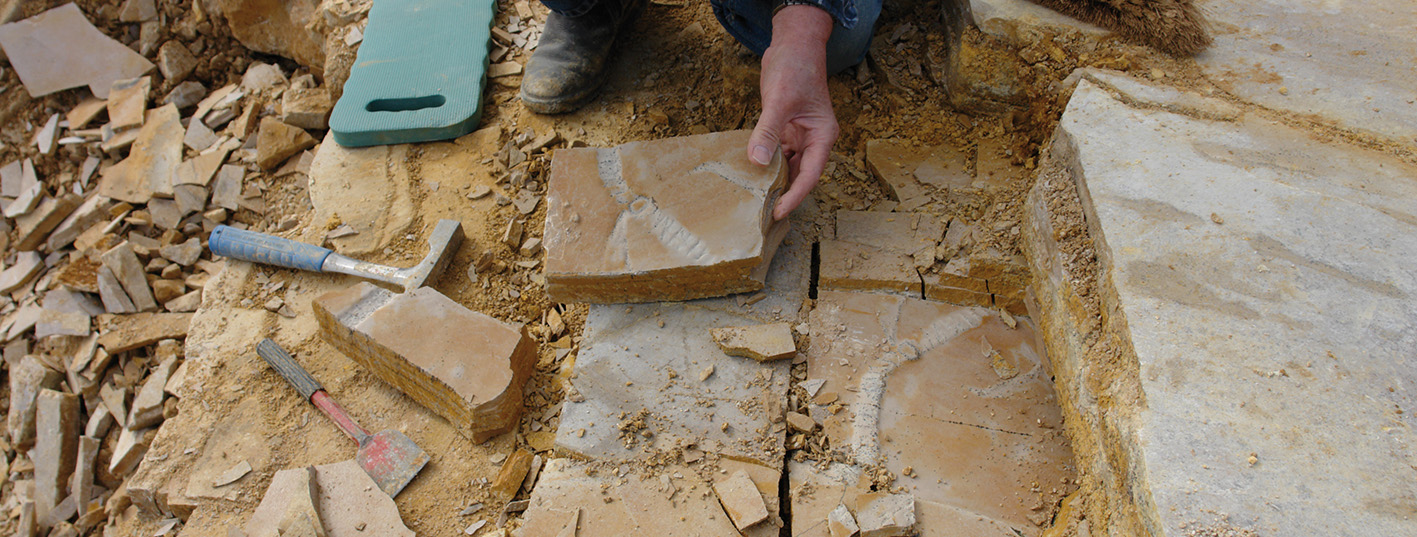
The Wattendorf lithographic limestones (Plattenkalk) represent a spatially very limited occurrence, confined to only a few stratigraphic intervals within a large quarry. From a paleontological perspective, these rocks are outstanding due to their exceptional abundance of fossils, which is significantly greater than that of the typical Solnhofen lithographic limestones from the Altmühltal.
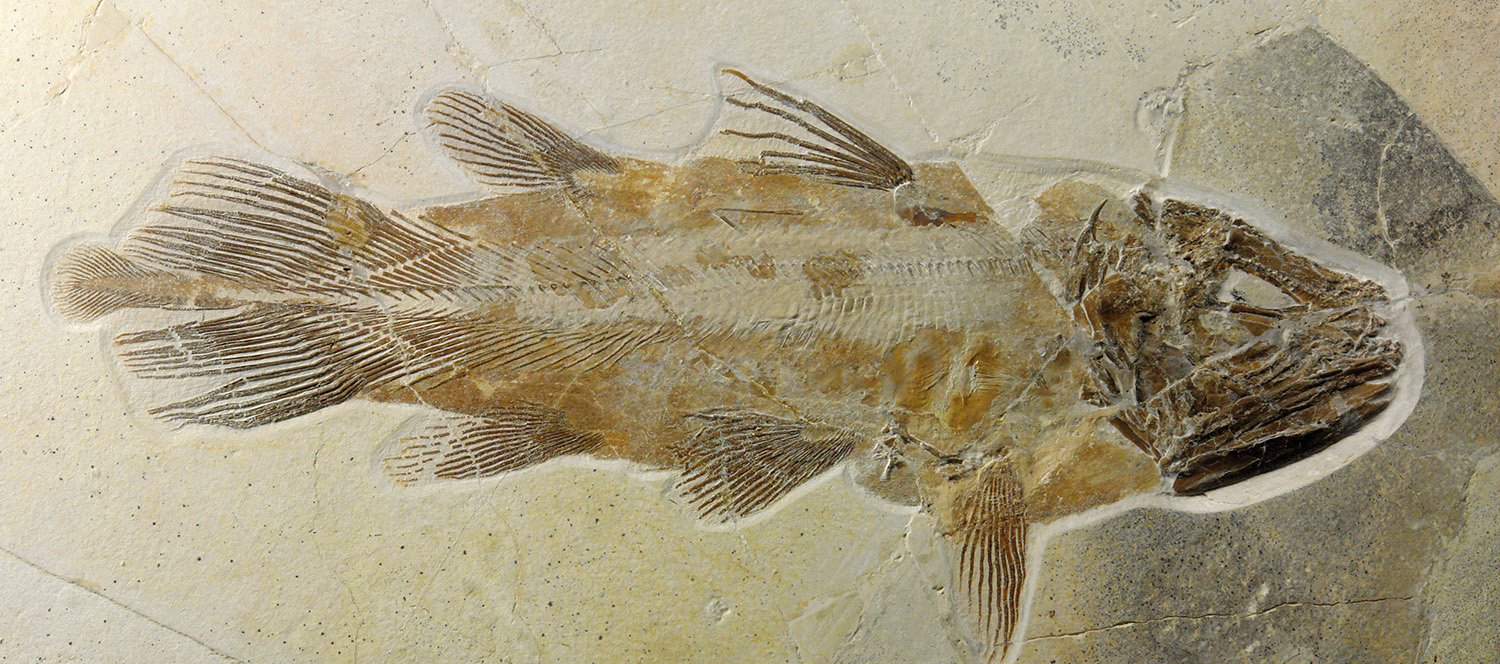
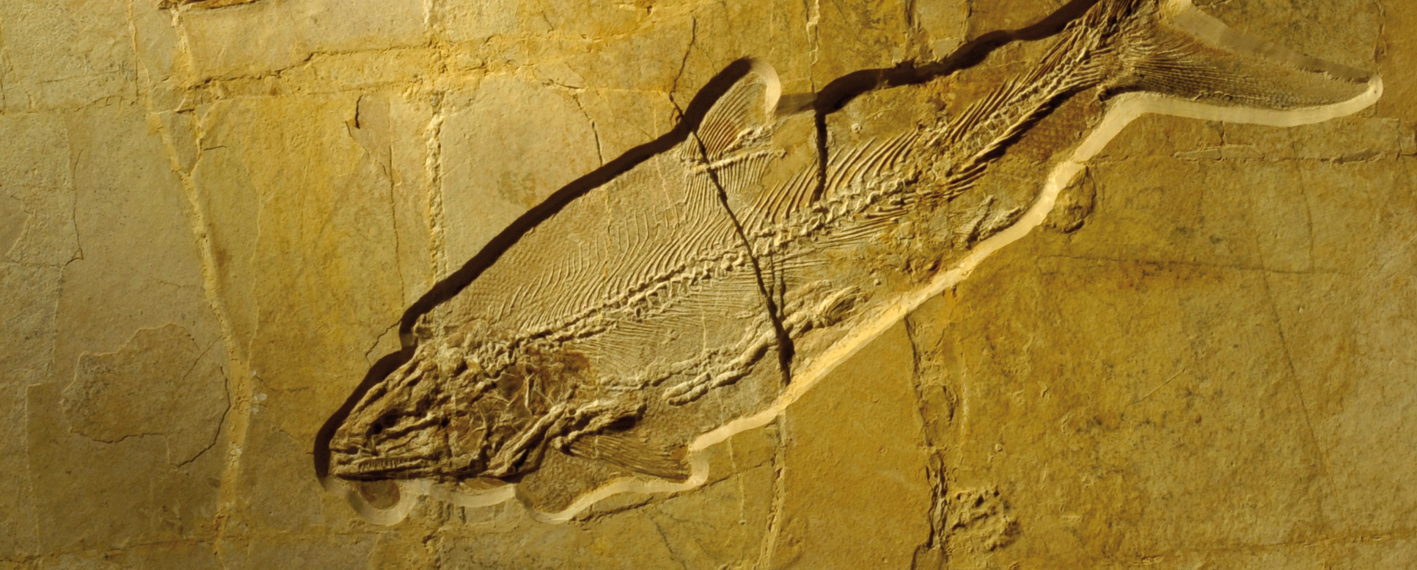
In addition to terrestrial plants and invertebrates such as snails, bivalves, and crustaceans, a large number of different fish have been recovered, including several angel sharks exceeding one meter in length. Even more spectacular, however, are the coelacanths, one specimen of which is likely the largest and best preserved ever discovered in Jurassic lithographic limestones.
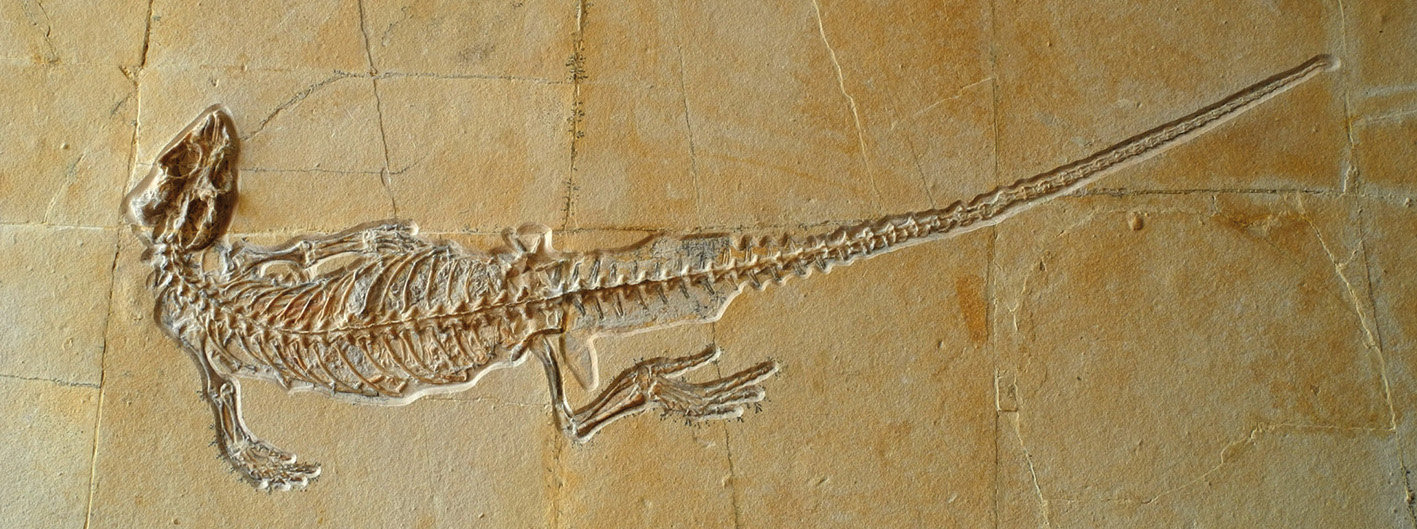
As if that were not enough, the vertebrate fauna also includes several complete turtles, marine reptiles, impressive crocodilian remains, and even a complete pterosaur. The preservation of the fossils is also exceptional; soft tissues such as scales or remnants of skin are often still visible.
The Wattendorf lithographic limestones were deposited approximately 154 million years ago during the Late Jurassic in a tropical shallow sea. These rocks are therefore somewhat older than all other southern German lithographic limestone occurrences. As a result, many of the Wattendorf fossils represent new, as yet undescribed species, making their study particularly exciting. Moreover, many of the finds display a remarkable aesthetic quality—numerous skeletons appear as if frozen in time.
Our permanent exhibition on the Wattendorf fossils presents the finest discoveries from two decades of research, while also providing insight into the fascinating geological and biological context of the Jurassic period.
Important Notice
For safety reasons, access to the Wattendorf quarry is strictly prohibited for private individuals. This prohibition is actively enforced. Moreover, it is not worthwhile to search for fossils independently, as the thin fossil-bearing layers are only exposed by excavators during official excavation periods.
Fossil Sponsorships Wanted
The Wattendorf fossils generally require extensive preparation work. In most cases, the fossils are still covered by limestone layers that must be carefully removed through painstaking preparation over several days. Our museum is unable to cover these costs entirely on its own. If you are interested in sponsoring a fossil, please feel free to contact us at any time!